How Much Does Basement Waterproofing Cost? A Homeowner’s Guide

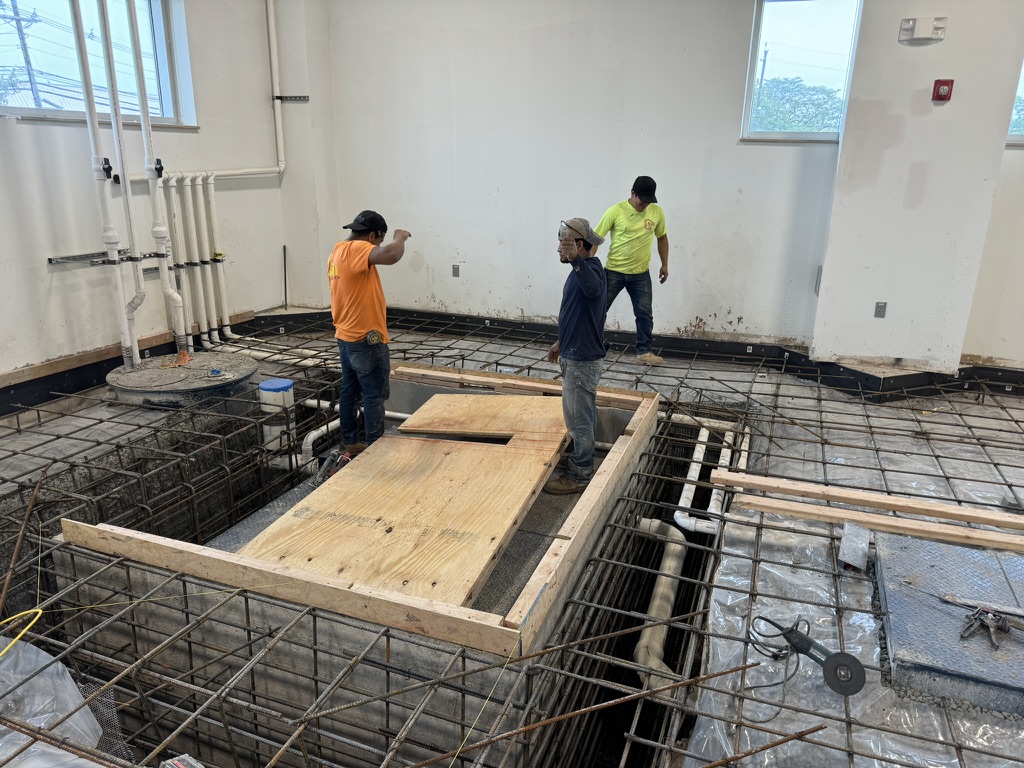
If you have ever walked into your basement after a hard rain and caught that earthy, damp smell, you already know this question is not really about waterproofing alone. It is about risk, habitability, resale value, and whether a small nuisance today becomes a major structural repair later. Basement Waterproofing is one of those home projects that can be surprisingly affordable in one house and painfully expensive in the next, even when the square footage looks similar on paper.
The reason is simple. “Water in the basement” is not a single problem. Sometimes it is condensation from humid air. Sometimes it is runoff collecting against the foundation because a downspout is dumping water in the wrong place. Sometimes the issue is hydrostatic pressure pushing water through cracks or cold joints in the concrete. A contractor who treats all three issues the same way is either oversimplifying the job or selling a bigger system than the house needs.
For most homeowners, basement waterproofing costs fall somewhere between a few hundred dollars for basic corrective work and well into the tens of thousands for full interior or exterior systems. That spread is wide because the scope can range from extending gutters and sealing a few minor cracks to excavating around the foundation, installing drainage, applying membranes, and adding a sump pump with battery backup.
Understanding what drives the price helps you budget realistically and avoid paying for the wrong fix.
Why basement waterproofing costs vary so much
The biggest pricing mistake homeowners make is comparing numbers without comparing scope. One estimate may cover only crack injection. Another may include an interior drain tile system along two walls, a sump basin, vapor barrier, and disposal fees. A third may involve full exterior excavation to footing depth. These are not interchangeable solutions, so their prices should not be close.
The age of the house matters. Older homes often have block foundations, aging mortar joints, and decades of settling. Newer homes may have poured concrete and fewer structural issues, but can still suffer from poor grading or improperly installed drainage. Soil conditions also matter more than many people realize. Heavy clay holds water against the foundation and expands when wet. Sandy soil drains better, but can shift in ways that affect settlement and crack behavior.
Access can change the cost by thousands. A house with open yard space around the foundation is easier to excavate than one with decks, mature landscaping, tight side yards, patios, or utilities in the way. Interior finishing also matters. If a contractor has to remove drywall, trim, built-ins, flooring, or finished wall systems to reach the foundation, labor and restoration costs rise quickly.
Then there is geography. Labor rates differ from one region to another. Homes in areas with high water tables, frequent freeze-thaw cycles, or older housing stock may see higher average pricing simply because waterproofing contractors there deal with more complex conditions every day.
Typical basement waterproofing cost ranges
The numbers below are broad, but they reflect the way these jobs are commonly priced in real markets. For a basic moisture-control issue, homeowners may spend as little as a few hundred dollars to a couple thousand. For a true water-intrusion problem, the price tends to move higher.
Here is a practical way to think about it.
Minor corrective work, such as downspout extensions, gutter improvements, regrading around the house, and limited crack sealing, often falls between $500 and $3,000. If the source of the problem is surface water management, this can be money very well spent. I have seen basements dry out completely after a contractor corrected slope and moved roof runoff farther from the foundation.
Crack injection in poured concrete foundations often runs in the range of $500 to $1,500 per crack, depending on width, accessibility, and whether the crack is actively leaking. Structural repairs, if required, can push that much higher.
Interior basement waterproofing systems, which usually include a perimeter drainage channel, sump pump, and water management along the basement walls, commonly range from about $3,000 to $12,000 or more. A small basement with one problem wall sits at the lower end. A larger footprint, multiple problem areas, and a more robust sump setup move the price upward.
Exterior waterproofing is often the most expensive option. Excavating down to the footing, cleaning and repairing the wall, applying waterproof membrane, installing exterior drainage board and footing drain, then backfilling can cost roughly $8,000 to $25,000 or more. On difficult sites, especially where access is limited or landscaping must be restored, it can go beyond that.
If the basement is finished, remember that restoration may be a separate line item. Removing and rebuilding parts of a finished basement can add another few thousand dollars, depending on materials and layout.
The lower-cost fixes that sometimes solve the whole problem
Not every wet basement needs a full system. That point is worth stressing because many homeowners first notice moisture during a specific weather pattern, then assume the foundation itself has failed.
A basement can take on moisture for very ordinary reasons. Gutters clogged with leaves overflow beside the foundation. Downspouts terminate too close to the house. Flower beds have been built up over the years until the soil now slopes inward. Mulch hides the fact that the ground line is too high. In some homes, a dehumidifier and better ventilation eliminate what looked like “seepage” but was really condensation on cool surfaces.
When the issue is manageable from the outside grade and drainage, costs stay modest. Regrading can be a few hundred dollars for minor correction or a couple thousand if the area is large. Downspout extensions are usually inexpensive. Gutter replacement can be more, but still much less than foundation excavation. Window well improvements, covers, and drain correction also fall into the lower range compared with major waterproofing work.
The challenge is diagnosis. A homeowner sees water on the floor and naturally focuses on the floor. A good contractor focuses on where the water began its path.
When interior waterproofing makes sense
Interior systems are common because they are https://beaumslw037.novacrestiq.com/posts/how-tree-roots-and-landscaping-affect-basement-waterproofing effective, relatively less disruptive than exterior excavation, and often more affordable. In many basements, the goal is not to stop all moisture from ever touching the outer foundation wall. The goal is to manage any water that reaches the wall or footing, collect it, and direct it safely to a sump pump or drain point before it enters the living space.
A typical interior Basement Waterproofing system involves opening a trench along the inside perimeter, installing drainage stone and piping, connecting that system to a sump basin, then restoring the concrete slab. Some systems also include wall vapor channels or membranes that guide seepage downward into the drainage path.
Homeowners are sometimes disappointed when they learn an interior system does not mean the exterior wall stays completely dry. That is true, but it does not mean the system is inferior. In many cases, it is a very practical solution, especially when the objective is a dry, usable basement and long-term control of seepage.
Expect the price to depend on linear footage, pump quality, disposal of concrete and debris, and whether one wall or the full perimeter is involved. A small basement with one seepage area might only need a partial installation. A larger basement with chronic water problems often benefits from a full perimeter approach.
Sump pumps themselves deserve attention. The cheapest pump on the estimate is rarely the best value. A dependable primary pump, an alarm, and a battery backup add cost, but they also address the exact moment when many basements flood, during storms that knock out power.
Why exterior waterproofing costs more, and when it is worth it
Exterior waterproofing is more invasive because it has to be. Contractors excavate alongside the foundation, often all the way to the footing. That means machinery, labor, hauling soil, protecting nearby structures, and restoring disturbed areas afterward. Once the wall is exposed, they can seal cracks, repair defects, apply membrane, and install exterior drainage components that intercept water before it gets inside.
This approach is often the best fit when the foundation wall itself needs direct repair, when water pressure against the wall is severe, or when a house has recurring problems that interior management alone cannot fully address. It can also be the preferred route if you are already excavating for another reason, such as replacing a footing drain or rebuilding exterior hardscape.
The cost increases quickly when there are obstacles. A paved driveway along the house, a deep deck, air conditioning lines, mature shrubs, retaining walls, or tight urban setbacks all complicate excavation. In one older property, the waterproofing work itself was straightforward, but the crew had to remove and later rebuild a stone walkway and part of a fence. Those “side” costs ended up being a significant share of the total bill.
For that reason, exterior waterproofing tends to make the most sense when the problem is serious enough to justify the disruption, or when access is unusually easy.
Common cost drivers homeowners overlook
Even careful shoppers can miss the details that push the final invoice upward. The proposal amount is only one piece of the picture.
- Foundation type and condition, including block versus poured concrete and the presence of structural cracking
- Extent of water intrusion, from seasonal dampness to active seepage or standing water
- Accessibility around the home, including landscaping, decks, patios, utilities, and narrow side yards
- Finishing and restoration needs inside the basement after demolition or trenching
- Equipment quality, especially sump pumps, backup power, alarms, and drainage components
These factors explain why two basements of similar size can have very different project costs. They also explain why a “cheap” estimate sometimes becomes expensive after change orders.
Crack repair and structural concerns
A crack in a basement wall is not automatically a waterproofing emergency, but it should not be ignored. Vertical cracks in poured concrete are common and often repaired successfully with polyurethane or epoxy injection. Costs for those repairs are usually manageable when the cracks are accessible and there is no wider movement.
Horizontal cracks, bowing walls, stair-step cracking in block foundations, or cracks accompanied by displacement are different matters. Those can signal structural pressure from soil or water and may require reinforcement, carbon fiber straps, wall anchors, or more extensive engineering. Once the conversation moves from water control to structural stabilization, budgets can rise substantially.
That is one reason homeowners should be careful with quick online pricing guides. A simple “cost per linear foot” estimate does not capture whether the foundation itself is stable. A contractor who treats every wet wall as a drainage issue may understate the true scope.
Finished basements complicate the budget
Waterproofing an unfinished utility basement is one thing. Waterproofing a finished basement is another. The drywall, insulation, trim, flooring, cabinetry, and sometimes even bathroom fixtures in the way all affect the total cost.
There is also a strategic decision to make. Some homeowners only want the leak stopped, then plan to patch the finished surfaces later. Others want a turnkey project where the waterproofing company or a separate remodeler restores everything. Make sure you know which approach the estimate reflects.
This matters a lot because reconstruction pricing varies wildly. Replacing basic drywall and baseboard is one cost. Rebuilding a custom entertainment wall, matching luxury vinyl plank throughout, or repairing a basement bath is something else entirely. The waterproofing line item may look reasonable, but the total project budget can double once restoration is included.
What a contractor should inspect before giving a price
A credible basement waterproofing estimate starts with inspection, not sales language. The contractor should walk the exterior, look at grade, examine gutters and downspouts, check for low areas and ponding, inspect cracks, note staining patterns, and ask when the problem occurs. Is water appearing only during wind-driven storms? Only during spring thaw? Constantly, even in dry weather? Those details help distinguish seepage, runoff, plumbing leaks, and condensation.
They should also talk through your plans for the basement. A utility space used for storage has a different tolerance for moisture than a finished family room, office, or guest suite. If you want to finish the basement later, that can influence whether a modest fix is enough or whether a more comprehensive system is the better long-term investment.
I would be wary of anyone who quotes a full perimeter system within minutes of arrival, especially without inspecting the exterior conditions. Some basements truly do need that scope, but many do not.
Repair now or wait?
Homeowners often ask whether they can buy time. Sometimes yes, sometimes no. If the issue is occasional dampness with no visible damage, a season of observation after correcting drainage might be reasonable. If you have active water intrusion, moldy materials, peeling finishes, or a sump that already struggles, waiting tends to get more expensive.
Water rarely improves a basement on its own. It stains, softens, corrodes, and feeds microbial growth. It can ruin stored belongings and create a permanent odor that follows you up the stairs. In cold climates, moisture can also contribute to freeze-thaw deterioration near the foundation.
There is also the resale angle. Basement water issues almost always come up during disclosure and inspection. A documented repair by a reputable contractor is easier to explain than a pattern of recurring moisture and patchwork fixes.
How to compare estimates without getting lost
The best way to compare bids is to line up scope against scope. If one contractor proposes exterior excavation and another recommends regrading and crack injection, they may both be honest, but they are solving different problems. Ask each one to explain the diagnosis in plain language and tell you what problem their proposal is designed to fix.
Pay attention to warranty terms, but do not let warranty language do all the thinking for you. A long warranty on the wrong system is not very comforting. Also check who actually performs the work. Some firms sell aggressively, then subcontract the installation. That is not always a problem, but it is worth knowing.
Here are a few questions worth asking before you sign anything.
- What specific source of water are you addressing, and how did you determine it?
- Does this price include restoration, disposal, permits, and cleanup?
- What maintenance will the system require, especially for pumps and drainage?
- If the basement is finished later, will this solution still be appropriate?
- What happens if additional structural issues are discovered during the work?
That short conversation can reveal a lot about whether you are being sold a product or being given a reasoned recommendation.
DIY versus professional waterproofing
There are a few basement moisture tasks homeowners can tackle themselves. Extending downspouts, cleaning gutters, improving simple grading, sealing small non-structural gaps around penetrations, and running a dehumidifier are all realistic for a handy owner. These actions are often helpful, and sometimes they solve the problem outright.
What homeowners usually underestimate is diagnosis. Coatings and sealers sold at home centers are often applied to symptoms rather than causes. Painting a masonry wall with waterproofing coating might hide minor dampness for a while, but it will not relieve exterior water pressure. If the wall is taking on water, the coating can blister or fail. Worse, it can delay the proper repair while moisture continues causing damage behind finished materials.
For anything involving recurring seepage, structural cracks, sump installation, or excavation, professional evaluation is usually worth the money.
A realistic budgeting approach
If your basement issue is still being diagnosed, a sensible budget starts with tiers rather than a single number. Set aside a modest amount for exterior drainage corrections and inspection, perhaps in the low thousands. If those corrections fail to solve the problem, be prepared for an interior system in the mid-thousands. If signs point to major structural or exterior excavation work, the budget needs to expand accordingly.
That staged mindset helps homeowners avoid two common mistakes. The first is overspending on a system before basic water management has been addressed. The second is underbudgeting so severely that a necessary repair gets delayed for years.
If you are purchasing a home with known basement moisture issues, get estimates before closing whenever possible. A seller disclosure that says “occasional seepage during heavy rain” can translate into anything from a minor grading fix to a full waterproofing project.
What most homeowners actually end up paying
In everyday residential work, many homeowners land somewhere in the middle. They are not facing catastrophic structural failure, but they do need more than a tube of sealant and a dehumidifier. For that group, interior drainage with a sump pump, plus exterior water management improvements, is a common combination. A total project cost in the range of roughly $4,000 to $10,000 is not unusual for that kind of work, though local market conditions can push it up or down.
If the house has a difficult site, a finished basement, or significant foundation deterioration, costs can rise beyond that fairly quickly. On the other hand, if the root cause is roof runoff and poor grading, the real answer may be much cheaper than the homeowner feared.
That uncertainty is frustrating, but it is also why blanket pricing is unreliable. Basement Waterproofing is less like buying an appliance and more like diagnosing a roof leak. The same symptom can come from very different failures.
The right question is not just “What does basement waterproofing cost?” It is “What is causing the water, and what is the least invasive durable fix for this house?” Once you answer that, the pricing usually becomes much easier to understand, and much easier to justify.
ARD Waterproofing
98 Smull Ave, West Caldwell, NJ 07006, United States
+1 917-691-8411
FAQ About Basement Waterproofing
Can you 100% Waterproof a Basement in West Caldwell?
A properly designed system can substantially reduce basement water intrusion, but no method can promise protection against every flood, equipment failure, or future change in site conditions. The first step is identifying whether moisture comes from surface runoff, groundwater, plumbing, or condensation. Solutions may include grading and gutter improvements, drainage, foundation repairs, and a sump system. Review the specific coverage and exclusions of any written warranty.
How much does it cost to professionally waterproof a basement in NJ?
There is no single price that fits every basement. Cost depends on the cause of the leak, the area needing work, access, excavation requirements, drainage design, sump equipment, and restoration of disturbed finishes or landscaping. Request an on-site assessment and an itemized written estimate that explains the scope, exclusions, and maintenance requirements before comparing proposals.
How long does foundation waterproofing last in West Caldwell, NJ?
Service life varies with the waterproofing materials, installation quality, soil and water conditions, and maintenance. Drainage components and pumps may require servicing or replacement even when other parts of the system remain functional. Keep gutters, drainage outlets, and sump equipment maintained, and have recurring leaks or changes in foundation condition assessed. Ask for product-specific expectations and written warranty terms rather than relying on one lifespan for the entire system.